Lincoln, California · Community & Real Estate · Est. 2026

Cultivated for Lincoln · Neighbor to Neighbor
§ 01
The Dispatch
Lincoln, California · August 2026
This time last month, this whole town stood with our eyes fixed on the sky for the 250th Anniversary. We all heard the sounds of something worth celebrating. Our dogs heard it too.
The chairs are in the garage. The supply lists are taped up at the front of the store again. Somebody's kid is trying on shoes that are still white and won't be by Friday. Out on the county roads this week, the buses are being inspected and practicing their routes.
Enjoying the moment was the easy part. The reward. What comes after is the long, unglamorous, load-bearing work of actually making this country the kind of place worth growing up in, and that work does not happen in the sky. It happens on the ground. For some, that's measured in jobs secured, businesses started and homes built. For others, it's measured in savings accounts, homework assignments and progress reports.
As summer concludes, it's back to work for most of us and back to school for our young people. They're the real inheritance. The spectacle is just the reminder of what's important. Somebody handed this town to us in better shape than they found it, and the only sincere way to express appreciation is to do the same for somebody starting third grade next week.
There is news on that front. America has decided it is good national policy to put money away for its children. Not a fortune, but a seed. And seeds carry the potential to grow into mighty oaks. Given the right conditions, a whole forest can rise from a single seed.
If you have children or grandchildren in this town, fortune won't find them on its own. You have to go plant it. I have put the details further down, next to the editorial on schools, because they belong in the same place. Go read them, then go seed the next generation so they can pay it forward to their children someday.
None of this makes a child wealthy, and there are serious people who argue the design favors families who already have money to put in. Fair enough. But a seed in the ground now is worth more than a plan still in your head come December.
This issue is about foundations. What we are building. What we owe the people who will inherit what we built.
I for one am enthused by this acknowledgment, in our 250th year, that the next generation is worth cultivating. Now, the work.
§ 02
Market Pulse
Lincoln Real Estate Market
JUNE '26
Placer County, California · MetroList MLS · 95648
Avg DOM (MTD · June)
↓ 27.3% from 44 in May
Avg Active Price (YTD)
↑ 9.2% from $840k prev yr
Active Listings (June)
↑ 3.9% from May
Avg DOM (YTD · 2026)
↓ 2.3% from 44 in 2025
Avg Sale Price (YTD)
↓ 0.9% from $698k prev yr
Closed Sales (June)
↓ 12.0% from May
MetroList MLS · Lincoln 95648 · June 2026 MTD & YTD Data
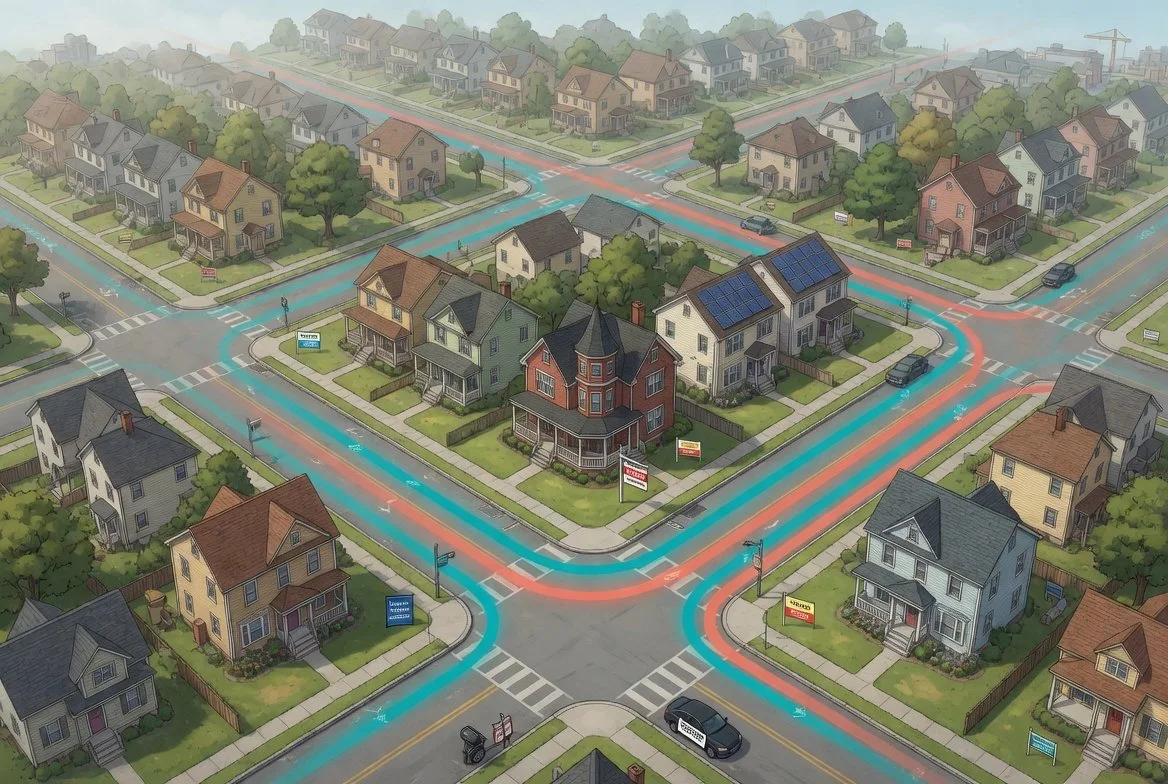
Two numbers are moving in opposite directions, and the gap between them is this month's entire story. Average asking prices are up 9.2% year over year. Average achieved prices are down 0.9%. Sellers are listing higher; buyers are not paying it. Meanwhile the homes that are selling are moving faster than they have all year — 32 days, down from 44 in May — even as closings fell 12% and inventory rose. That is not a slow market. That is a bifurcated one: correctly priced homes are selling briskly, and everything else is sitting.
The 32-day average is the good news and the warning in one number. Homes priced to what the market is paying are moving quickly. Homes priced to what sellers are asking are joining a pool of 237 actives competing for 95 monthly closings. Price to the achieved comp, not the list comp. The first two weeks bring your strongest buyers, and no amount of patience buys them back.
Two hundred thirty-seven homes are competing for you and roughly ninety-five of you are showing up each month for signing. That is leverage — but spend it in the right place. Properties sitting well past 32 days are opportunities for negotiation. Anything fresh and correctly priced is not, and hesitating on those is how buyers lose the home they actually wanted.
The divergence between list prices (up 9.2%) and sale prices (down 0.9%) is where deals are to be found. Sentiment has run ahead of transactions. Underwrite to closed comps, never to active comps — the actives are telling you what sellers hope, and hope is not an exit strategy. Watch the aging tail of the inventory pool, where seller motivation compounds daily.
School assignment is one of the strongest price drivers for families in any neighborhood — and in Lincoln it has quietly become a moving target. The Lincoln Crossing feeder change (see Editorial, §07) does not take effect until 2028, but it is worth understanding now, because buyers price the future, not the present. Selling inside an affected boundary? Raise it yourself. A seller who volunteers the change is trustworthy; a seller who gets caught by it might come off as having more to hide. Buying? Verify the current assignment and what is scheduled to change before you write it up.
§ 03
On the Market
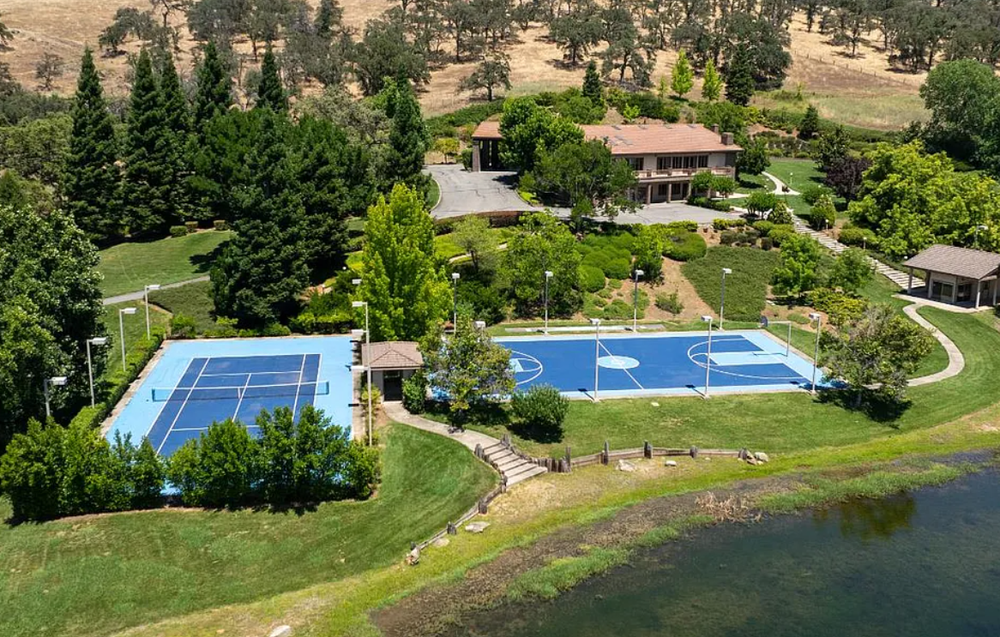
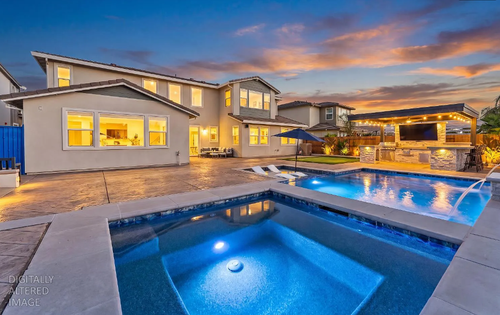
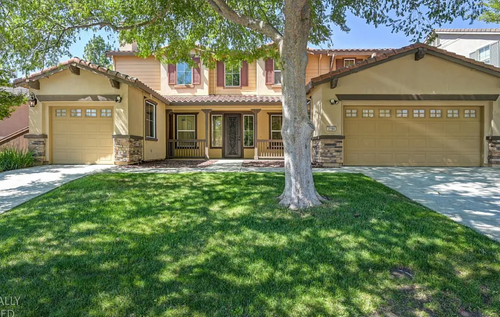
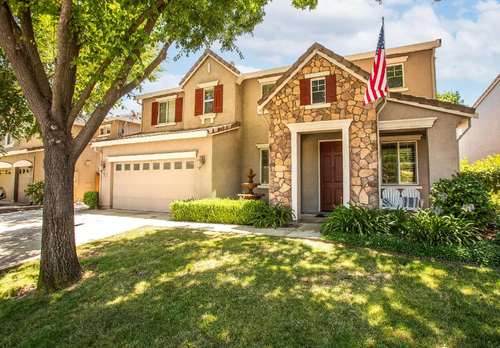
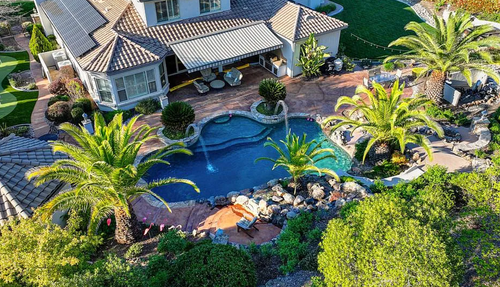
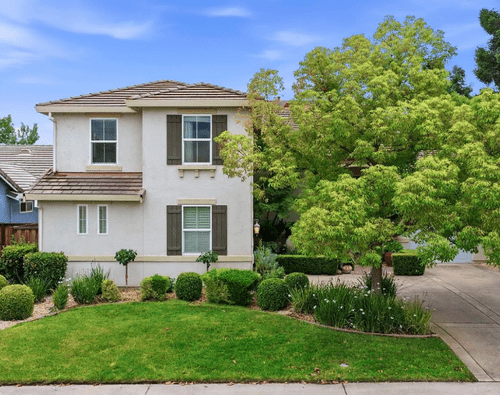
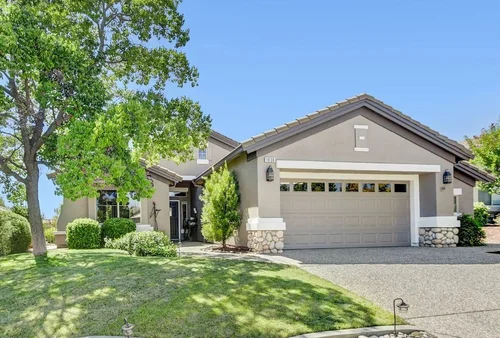
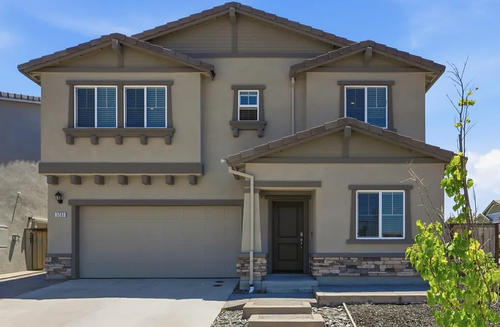
The largest offering in this issue by a wide margin — more than 155 acres on Lincoln's rural east side, wrapped around an 8,800-square-foot residence. A generational land holding at a scale that rarely reaches the market here.
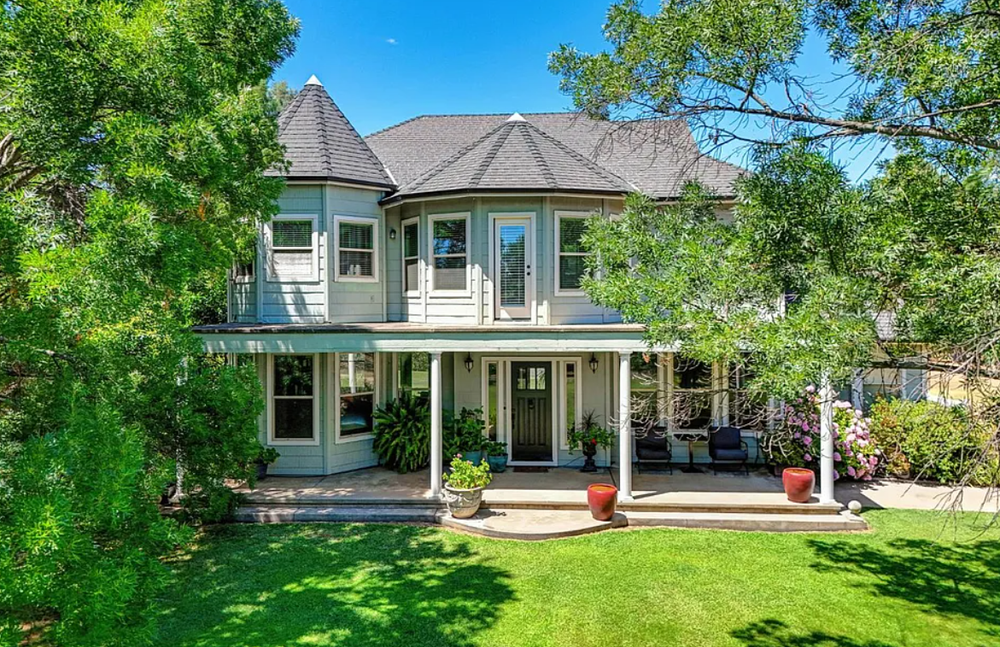
Ten acres of Lincoln countryside surrounding a right-sized home just under 2,500 square feet — real land within easy reach of town.
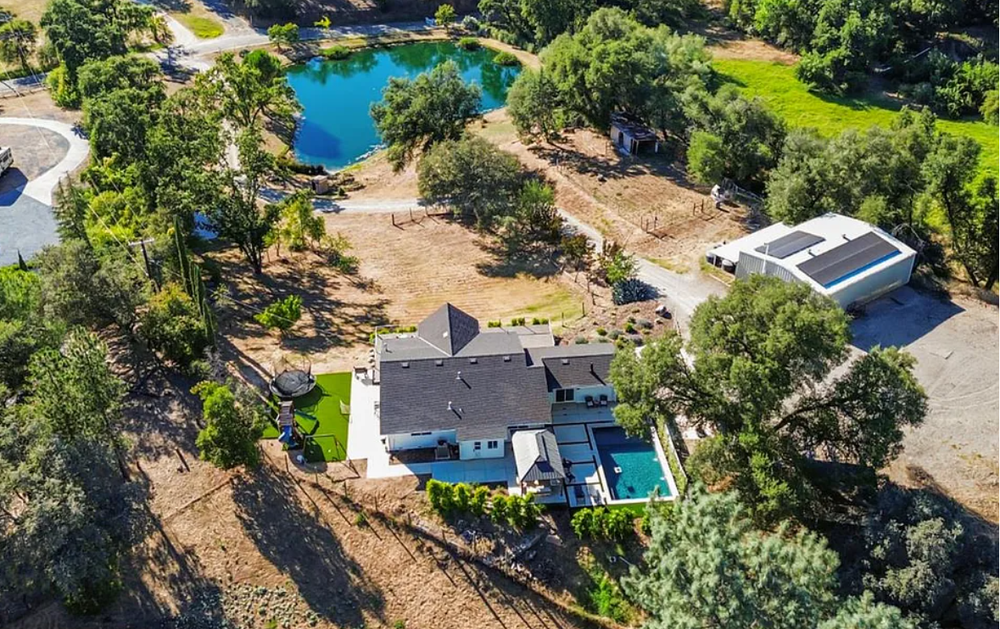
Just under five acres on Garden Bar Road, priced for the buyer who wants genuine acreage and a straightforward home rather than square footage for its own sake.
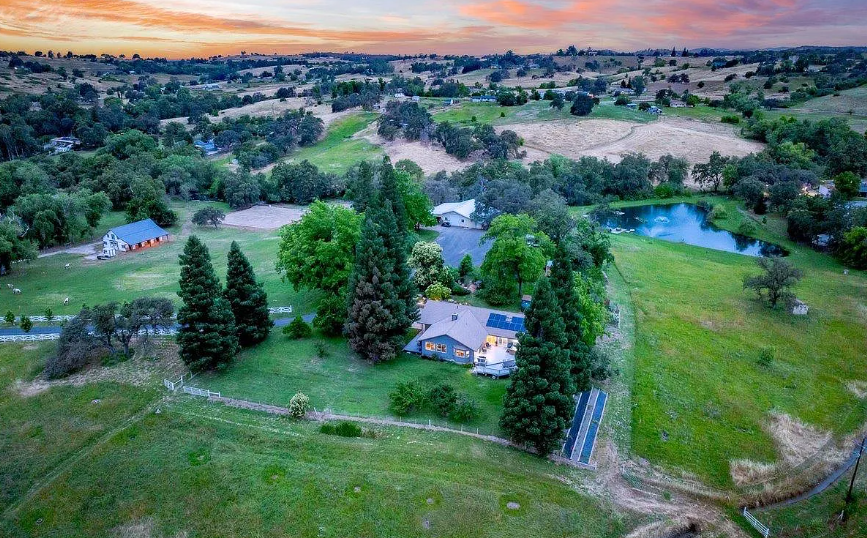
Nearly twenty acres for $1.5 million — land first, for the buyer whose priority is the parcel itself.
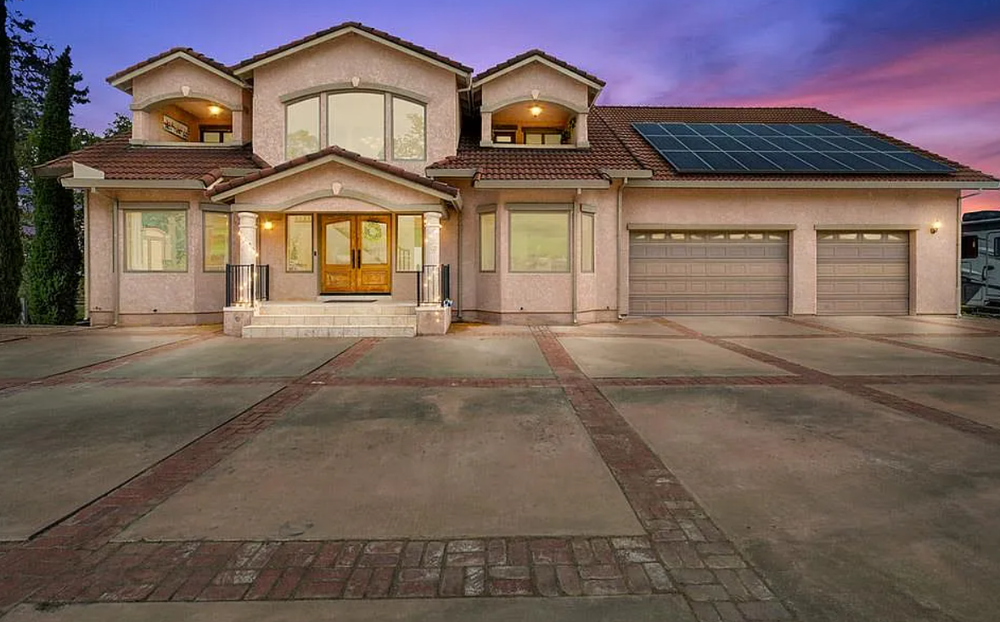
Over 4,200 square feet on more than fourteen acres, all under $950,000 — the lowest price per square foot in this month's Estate tier.
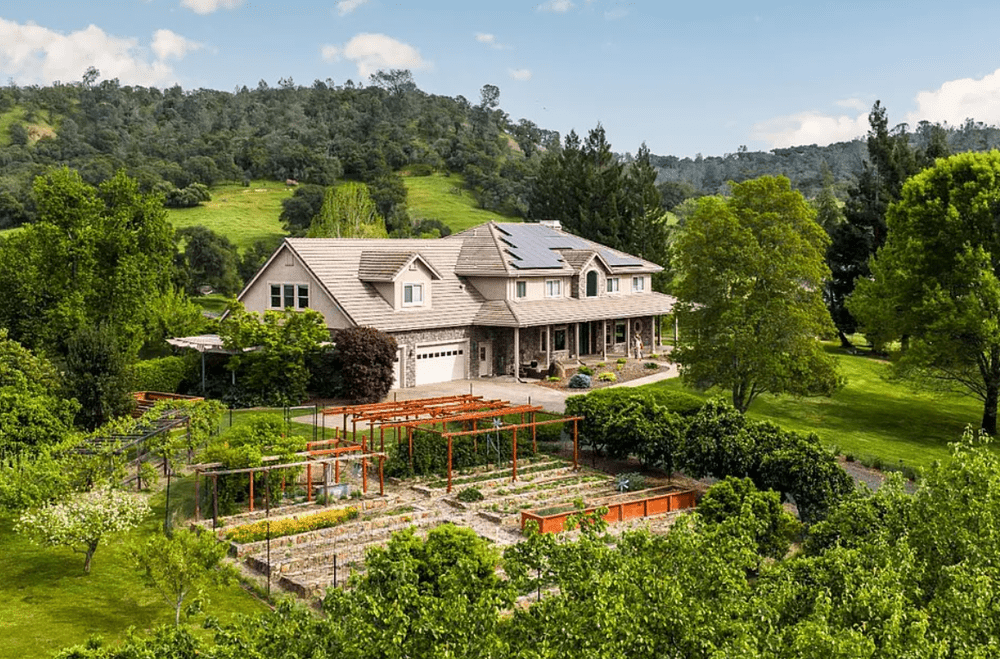
The crown of the issue: 7,200 square feet on ten-plus acres in the Newcastle foothills. The largest home in the Vine this month, and priced accordingly.
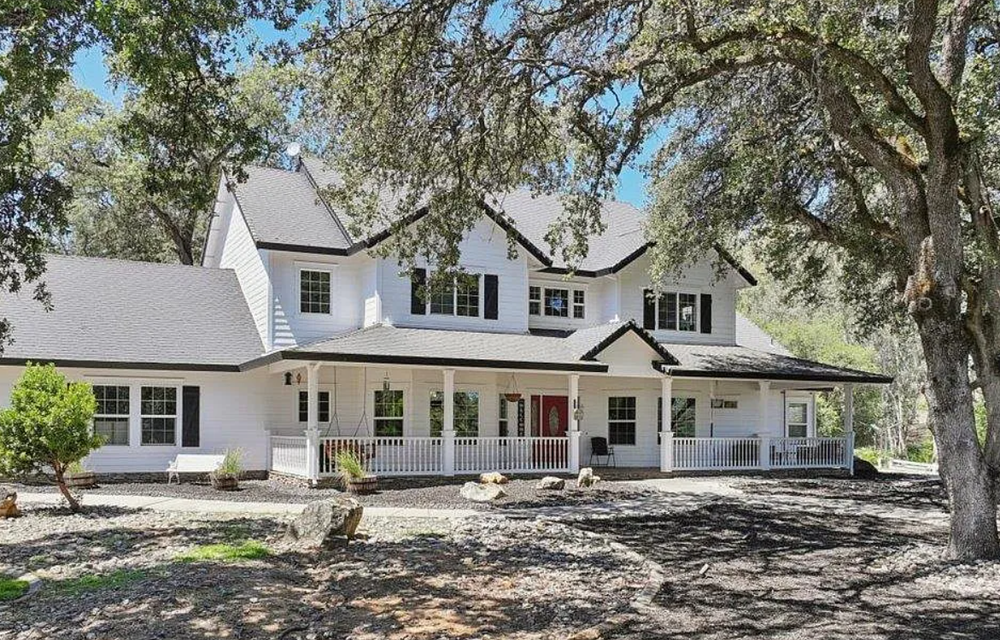
A ten-acre spread on Mccourtney Road with nearly 3,500 square feet of living space — substantial land and substantial home in equal measure.
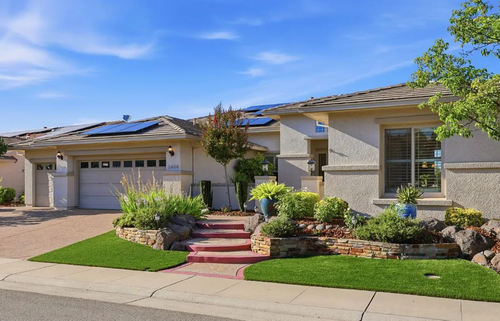
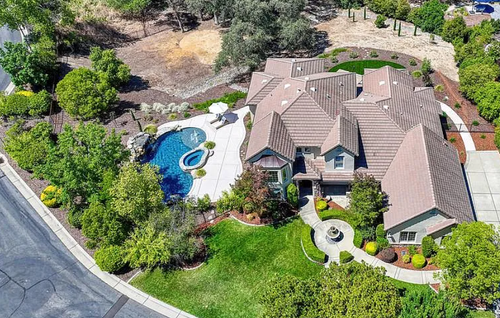
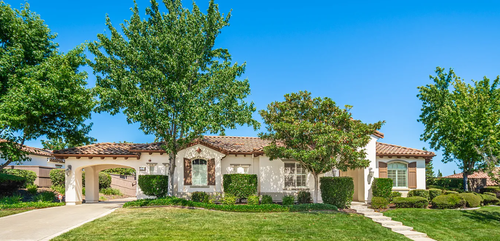
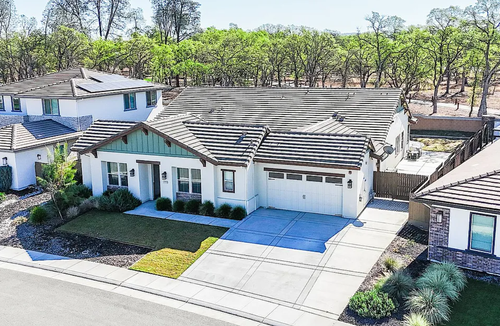
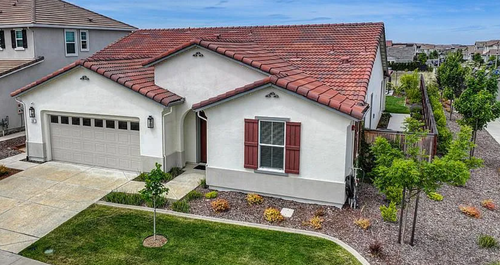
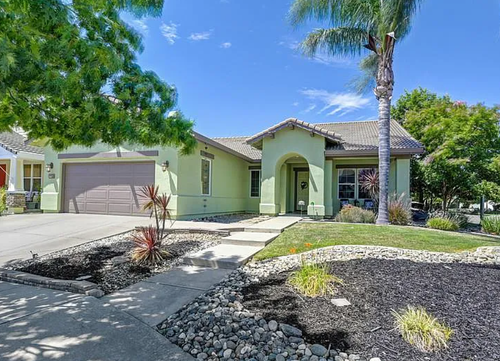
Featured in front of Lincoln's most engaged readers. Contact Tyler to discuss listing inclusion.
530-852-1512
§ 04
What's Going Up
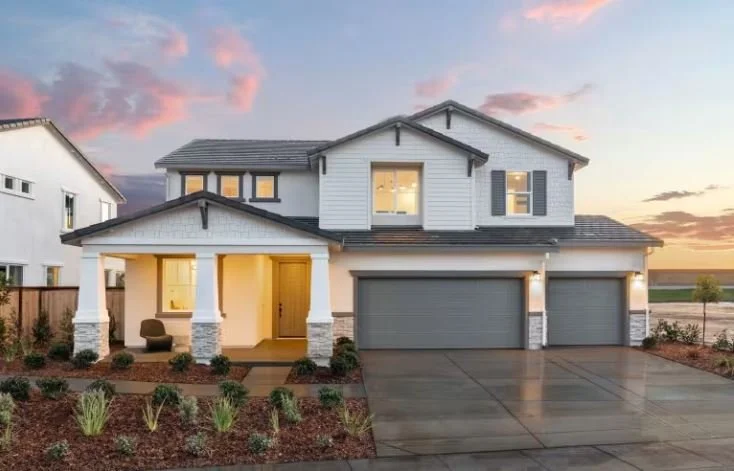
Wildwood by Pulte Homes is now selling in Lincoln. At 1165 Rouba Street, the community sits just a couple of minutes from shops, restaurants, and everything Lincoln has to offer. Just off Hwy 65 — with direct access planned — it's currently reached via 1st Street in the Brookview neighborhood.
These new-construction homes are going up quickly. Nine distinct home designs are available, with two Quick Move-In homes ready for buyers. Right now, through Pulte's Labor Day Savings Event (August 1 through September 30), buyers can receive up to $50,000 in Flex Cash, a meaningful incentive on a new build and one worth asking about before you commit.
Homes start at $554,990 across a range of 3 to 8 bedrooms — affordable enough for first-time buyers and growing families alike. Call Tyler West before you call the builder. There are incentives available that the on-site agent won't be leading with.
§ 05
Around Town


The new school year is nearly here. A short list for the weeks ahead: confirm your child's attendance assignment — it may have changed (see On the Record) — make sure immunizations are current, finish online registration before the deadline, and if your child walks or bikes, walk the route together once before the first morning. Supply lists for each school are posted at wpusd.org.
What they are: federal savings accounts for American children, launched July 4, 2026. The money is invested in index funds and grows tax-deferred. The federal program site is TrumpAccounts.gov.
The seed money:
- $1,000 from the federal government — for every U.S. citizen born between January 1, 2025 and December 31, 2028.
- $250 from the Michael & Susan Dell Foundation — for children age 10 and under in qualifying ZIP codes. Lincoln's 95648 qualifies.
- $250 from Micron — for children under 18 in the states where it operates. California is one of them.
What families can add: up to $5,000 a year. Up to $2,500 of that can come from an employer, tax-free. Ask yours.
The catch — read this part. Newborns are enrolled automatically. Children already born are not. A parent or guardian has to open the account, through IRS Form 4547. Which means the families who stand to gain the most are the ones least likely to hear that any of this exists. Tell a neighbor.
The Lincoln Vine is a newsletter, not a financial advisor. Talk to your tax professional before making decisions.
§ 06
Landmarks
The Other Lincoln Highway
Two Lincolns, one county, no relation — and a road buried under a road
Ask around town long enough and you will eventually hear it: that Lincoln sits on the old Lincoln Highway, the first road ever built across America. It is a lovely idea. It is also not true — and the real story is better.
Start with our name. Lincoln is not named for the president. It is named for Charles Lincoln Wilson, the financier behind the California Central Railroad, which is the reason there is a town here at all. The route was surveyed in 1859 by a young engineer named Theodore Judah — who would go on to draw the line over the Sierra that became the Transcontinental Railroad. We are a railroad town carrying a railroad man's middle name.
The Lincoln Highway is a different Lincoln entirely — Abraham — and a different era. Conceived in 1913 as the first road across the United States, it did run through Placer County. Just not through here. Its northern branch came down out of the mountains and passed near Auburn, along what is now Ophir Road. Later that stretch became U.S. 40. Later still, Interstate 80 took the traffic, and the old road went quiet.
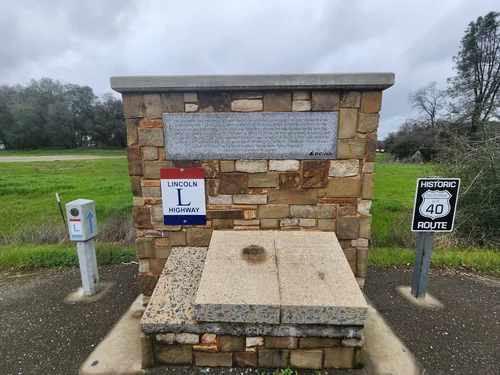
And then, in 2014, the Placer County Water Agency dug up Ophir Road to lay a pipeline — and found the original pavement still down there, layered under the newer road like rings in a tree. They saved a slab and set it up as a roadside monument. You can drive out and put your hand on it. About twenty-five minutes east of here.
Two Lincolns, one county, no relation. Our name came from a railroad. Theirs came from a president. Both are worth knowing — and now you can settle the argument at the next barbecue.
§ 07
Editorial
Lincoln Crossing's Feeder Schools Change in 2028. Here's What Was Decided, and Why.
The Board voted in November. The facts are public. Most of this town still has not heard. And if you are buying or selling a home here, this is a fact you cannot afford to learn after the fact.
If you live in Lincoln Crossing and your child is in elementary school today, there is a good chance they will not attend Twelve Bridges High School. That decision was made on November 4, 2025. It was made in public, after a hearing. And a great many families in this town have not heard about it yet.
Here is what happened, and what it means.
What was decided. Beginning with the 2028–29 school year, students at Lincoln Crossing Elementary will feed into Glen Edwards Middle School and Lincoln High School rather than Twelve Bridges Middle and Twelve Bridges High. The first class affected is this past year's third graders. On the same night, the Board approved closing First Street Elementary (the school at the mouth of this writer's own neighborhood, the one I drive past every morning) at the end of the 2028–29 school year, and repurposing that campus to expand Glen Edwards. Once First Street closes, students living north of 5th Street will attend Foskett Ranch; those south of 5th Street will attend Creekside Oaks.
Why? Roughly 2,000 new homes are expected in Village 1 and Village 7 over the next six years. Twelve Bridges Middle and Twelve Bridges High are projected to exceed the capacity they were designed for within the next couple of years, and the physical constraints of those two sites mean there is no inexpensive way to make them bigger. Glen Edwards and Lincoln High do not have that problem. That makes them the only realistic places to put the overflow.
Superintendent Kerry Callahan has been blunt about the arithmetic. The district had roughly 3,500 students in 2000 and is closer to 8,000 now. Everywhere you turn in Lincoln, he told CBS Sacramento, a new house is going up, and new homes bring new students.
The Mello Roos question. This is the part that has generated the most heat, and it deserves a straight answer. Many Lincoln Crossing residents believed their CFD payments guaranteed them a seat at Twelve Bridges High. The district's position is that Twelve Bridges High was not built with CFD money; it was funded through a district-wide general obligation bond and state matching funds. Under state law and board policy, CFD payments buy priority enrollment at the schools that CFD actually helped build. For Lincoln Crossing residents, that school is Lincoln Crossing Elementary. Paying into a CFD does not confer a seat at every CFD-funded school in the district, and Twelve Bridges High was never one of them.
You may find that unsatisfying. It is, as far as I can determine, accurate.
What recourse exists. Students entering middle school in 2028–29 who have an older sibling already at Twelve Bridges Middle or High may follow that sibling. Lincoln Crossing families who want Twelve Bridges Middle can request an intra-district transfer and will be given priority consideration, space permitting.
The analysis. The new school, Liberty at Lincoln, a TK–8 campus in Village 7 built through a partnership among the district, the City of Lincoln, and Lewis Group of Communities, is anticipated to open in 2030–31. The homes arrive over the next six years. The classroom capacity arrives at the end of them.
That gap is the entire story. Between now and 2030, the district has no new buildings to work with, so it is doing the only thing it can do: moving lines on a map, converting a closed elementary school into middle school classrooms, and expanding Sheridan. None of that is mismanagement. It is what a district does when the houses come faster than the bond money.
But it does mean this: in Lincoln, right now, the school your child attends is a forecast, not an immutable fact. Buyers should verify current attendance assignments and check what is scheduled to change before they sign anything. Home sellers should expect informed buyers to ask.
Two Trails Are Coming. One of Them Is for Lincoln Crossing's Kids.
The comment window has closed — but the plan is a living document, and what it is about to build is worth knowing.
This spring, the City of Lincoln asked residents what its bike network should become. The comment window on the Bikeways Master Plan update closed June 28 — so if you meant to weigh in and didn't, that particular door has shut for now. But the plan is a living document, funded a little each year through the city's Capital Improvement Program, and two projects are already moving toward construction in 2026.
The first reconnects Moore Road, cut in two when the State Route 65 bypass went through. A new trail under the highway bridge, alongside Auburn Ravine, will stitch the dead ends back together for cyclists and walkers.
The second is closer to home for a lot of our readers. In Lincoln Crossing, a neighborhood trail dead-ends at Brentford Circle — twice — forcing people to cross a street with no crosswalk, no ramps, no signage. With Lehman Elementary now open beside that trail and a park planned next door, more of the people crossing there are children. The city's fix — crosswalks, ramps, flashing beacons, fencing — is built for exactly that.
The sky may change but the foundations endure. The plan updates every year, which means the chance to shape it comes around again. When it does, we'll tell you.
It's On: The Brookview Neighborhood Garage Sale Returns
Enough of you wrote in that the question answered itself: Brookview is holding a neighborhood-wide garage sale, and it is set for Saturday, October 10. One day, every household that wants in, one browsing crowd working the whole street. For a few years this sale was run by folks who have since moved on from Brookview — and as someone who actually lives here, I am glad to pick it up and keep it going. If you want a spot on the map, write in with your address by October 3 so we can plan a route and get the word out. More sellers means more browsers for everyone.
Add Your House to the Sale →The Back to School Bash, Up Close
We drove past the 6th Annual Back to School Bash on July 25. It was smaller than the flyers led us to expect — one street closed off, the advertised activities running at a neighborly scale, and a handful of kids out front waving "Car Wash" signs at the traffic. There is something to that. Not every good thing needs to be big, and a few teenagers hustling a car wash for a back-to-school cause is its own small lesson in the kind of foundations this issue is about.
I Don't Know Your Name, But I Know Your Dog
A neighborhood does not begin with a monument sign at the entrance. It begins with a wave.
There is a man on my street who raises his cigar at me. Not a wave exactly. A lift. Two inches, maybe three, and a nod that costs him nothing and somehow means everything.
I don't know his name.
I have been walking this neighborhood nearly every day for years, and I have accumulated — without trying, and mostly without formally introducing myself — an entire cast of people whose absence I would notice.
There's the lady across the street from my house who I always run into walking her dogs. The bible minister who never misses an opportunity to dispense a little scripture. The woman I keep crossing paths with at the park, whose dog is so old he's earned his freedom from the leash entirely. This little-old dog is content to sniff his way from one bush to the next in no particular hurry. Isn't it just like dogs to get us to appreciate the little things, like a warm summer's day with a slight breeze rustling through the bushes and trees?
I do all my best thinking while walking, and here is what I have come to appreciate: a neighborhood does not begin with a monument sign at the entrance. Or even a well-organized block party. It begins with a wave.
The wave — a smile, a tip of the cigar — is the smallest possible unit of belonging. It is a person deciding, at almost no cost, that you are not a stranger.
What is strange about it is how fast it cements into an obligation. Wave at someone three mornings running and you have yourself an unwritten agreement. I see you, and I'm glad I did. Skip a morning and they will wonder whether they did something wrong. Skip a week and you'll both start to wonder.
We call ourselves a community as though it were a thing that must be written down on the county register, but it is not. It is an overall sense of belonging that compounds — one wave, one lift of a cigar (or coffee mug) or dog leash at a time — mostly below the level of anyone else noticing.
These are not friendships, per se. I could not tell you what most of these people do for a living, who their household consists of, or whether they are going through something that warrants a friend. They have entire lives behind the wave that I'm not privy to. And that's ok.
That's more than ok. Because it is not nothing, either. It is the first foot of foundation for the possibility of friendship. It's the community plan before the developer breaks ground. It is the realm of pure potential that's quietly there before your neighbor ever brings over a plate of tacos or fixes your lawnmower for you.
We spend a lot of this issue talking about what we are building for the next generation — public ways, fiscal planning, classrooms, backpacks. Sometimes big machinery is involved, and the yellow vests mobilize for a major project that takes weeks, months, or even years to materialize. Anything worth building is worth taking your time to build. That's real. But I would offer that none of it matters in a town where nobody looks up and waves.
Take the man on my street, enjoying a cigar from his front porch. It was only ever the lift and the nod — no names, just a polite "good evening," just the two of us agreeing that the other one exists. Until it wasn't. Until it became more. When we finally traded a few pleasantries and I learned his name at last, I was rewarded for being so bold as to say hello: he reached into his pocket and tossed me a cigar.
Thanks, friend.
§ 08
Neighbor Spotlight
This Month's Feature
East Ave Cafe
Coffee Shop & Community Gathering Place · Lincoln, CA
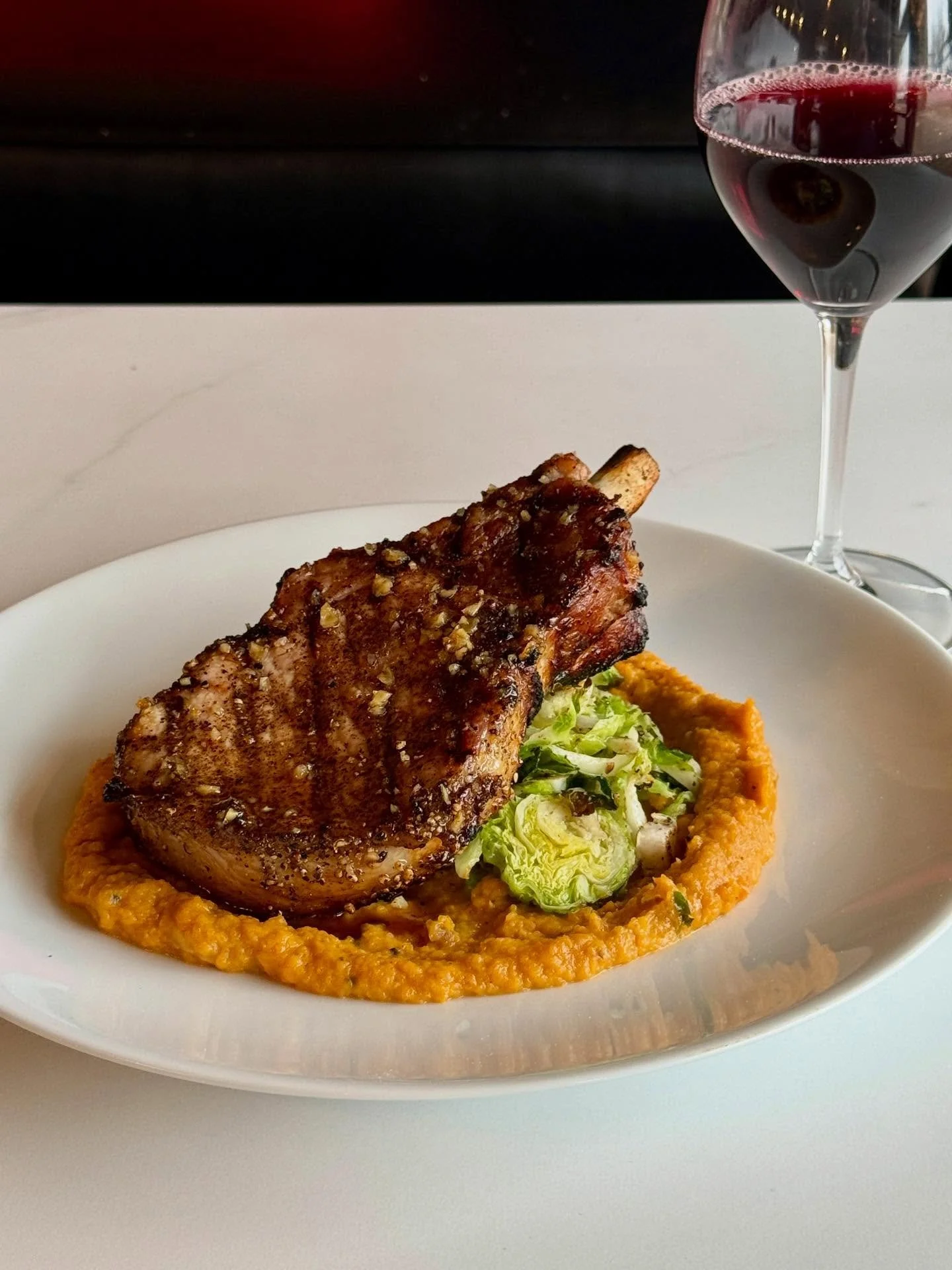
The cafe GraceLife Church has built on East Ave is no less a ministry for being an exceptional place to start your morning grind or grab your afternoon pick-me-up. Mind you, this is no mere cup of Joe. A menu of superb coffee creations and home-baked pastries, served with a smile, is where a patron's first of many pilgrimages begins. Trained baristas whip up your latte to perfection, and the staff will happily pass your compliments to the bakers as you audibly murmur, "This is the best carrot cake I've ever had!" It is no small wonder this corner cafe has earned its own reputation as a favorite hangout for locals from inside and outside the church.
Opening a cafe is harder to pull off than it sounds. A church-run cafe could so easily feel like a foyer with a menu of the same pre-packaged goods you'd find everywhere else. But at East Ave Cafe, they've created something special: the coffee is genuinely top-notch, the home-baked pastries sell themselves, and the warm, inviting atmosphere keeps patrons coming back for more.
One quickly discovers that this warmth is personified by Pastor Mark, who runs the cafe on behalf of GraceLife Church. On paper, East Ave Cafe is owned by the church across the street. In practice, it belongs to whoever walks in. As he will attest, the cafe is already fulfilling the vision they had for it all those years ago. That vision opened its doors in May of 2025 and quickly proved its popularity, becoming a lively "third place" for the community.
Pastor Mark sat down with me to share how the cafe came to be, and why a church decided the most useful thing it could offer the community was a place to fellowship with your neighbors.
Watch the first of this three-part interview and find out for yourself.
Find More Local Favorites
The Premiers.Co Home Services Directory features businesses Lincoln neighbors have actually used.
Browse the Directory →Your Business Here
Know a Lincoln business worth celebrating? Tell us about them — or nominate yourself.
Submit for Consideration →

Know a Lincoln business worth celebrating? Tell us about them — or nominate yourself.
Submit for Consideration →§ 09
The Board
Neighbors helping neighbors.
Overwhelmed with laundry and the daily grind? Need backup care or a date night? Lynn offers date nights, daily chores, tutoring, emergency backup, pet sitting, laundry, organizing, after-school care, and doula services. Trustline & Live Scan certified, First Aid/CPR, DONA Doula certified, Montessori certified (NAMC), B.A. degree.
§ 10
The Marketplace
Quality items from Lincoln neighbors — priced to reflect their worth. Curated by the editor.
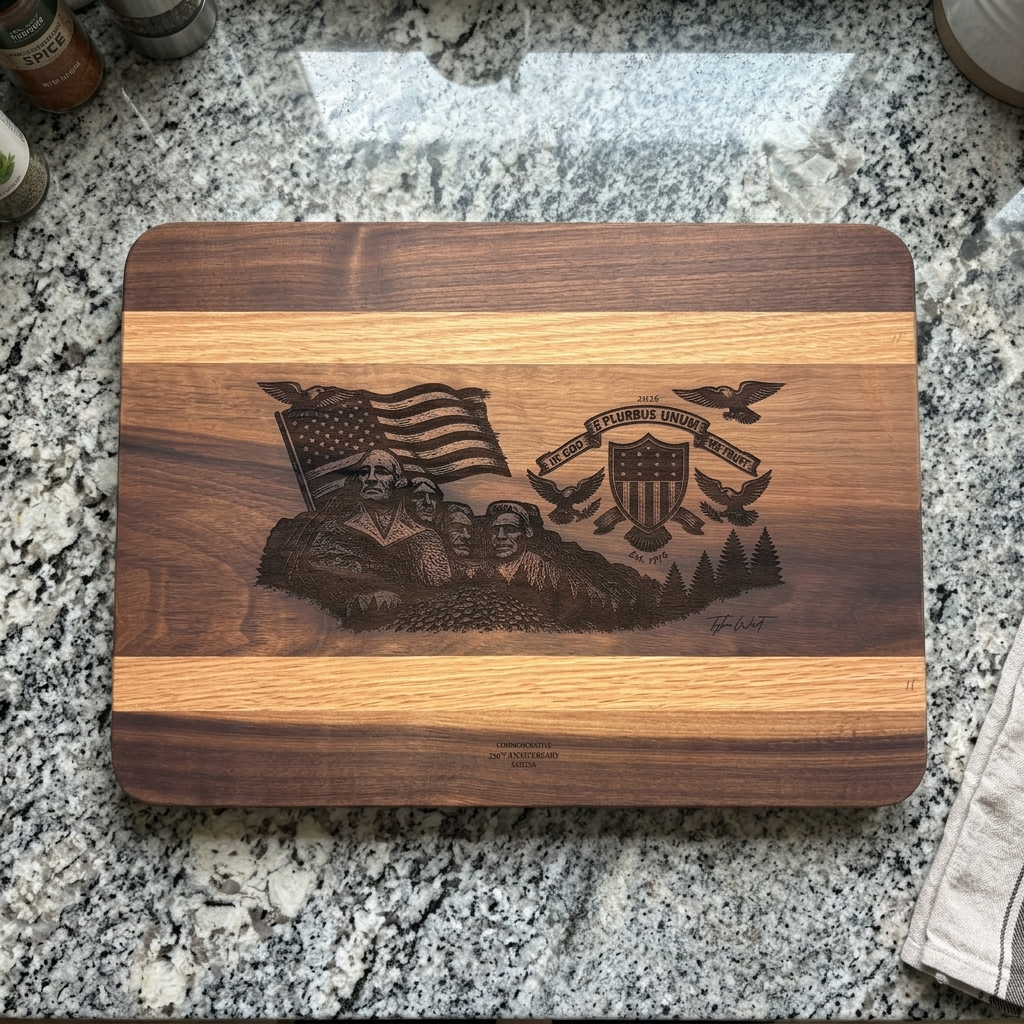
Ron spent forty years building things for other people before he retired to the northern California hills and started building things that outlast him. This one marks the country's 250th: California black walnut and birch, engraved with Mount Rushmore, hand-finished and food-safe. Only 250 will ever be made — each one serialized and signed, the kind of thing you keep, then hand down.
Shop the Collection →
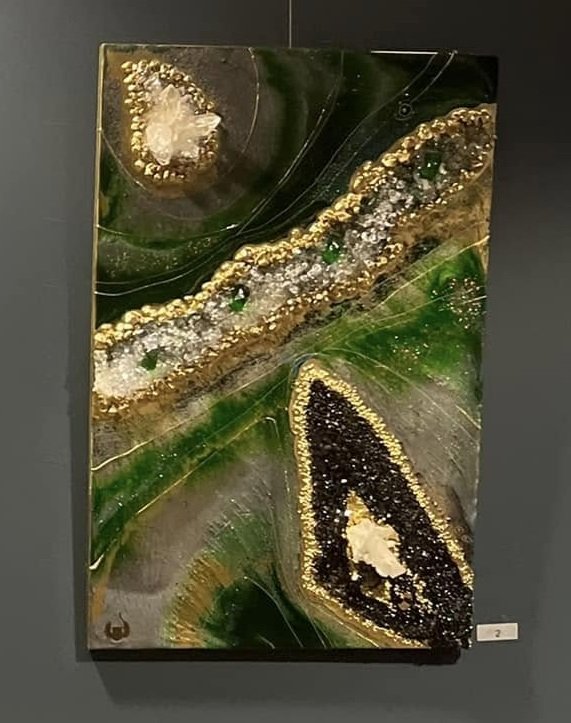
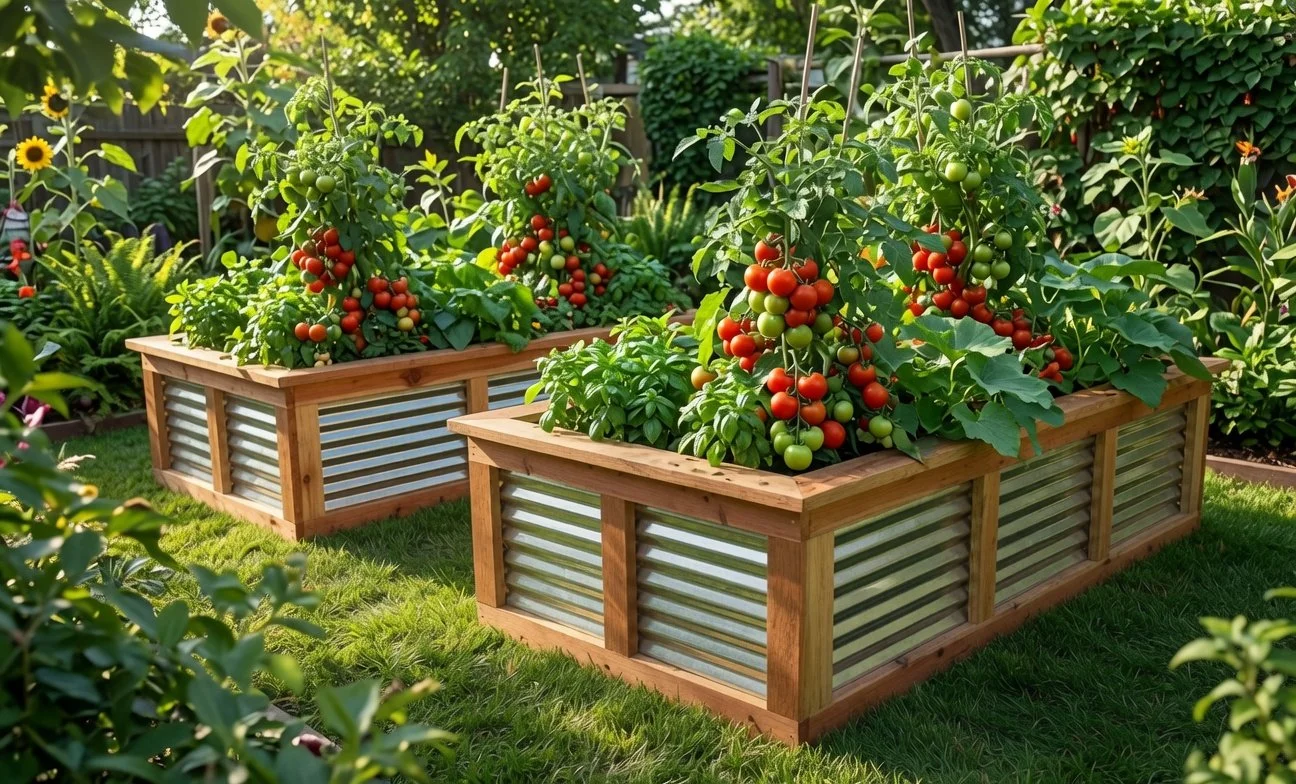
Built to last and built to grow things in — these raised cedar planters are the kind of backyard upgrade that changes how you use your outdoor space. Each one is finished by hand, sized for serious growing, and made right here in the Lincoln area. Contact us for custom sizing and current availability.
Inquire About Planters →